
All posts
Summit Ag's Blueprint for Successful Farmland Management
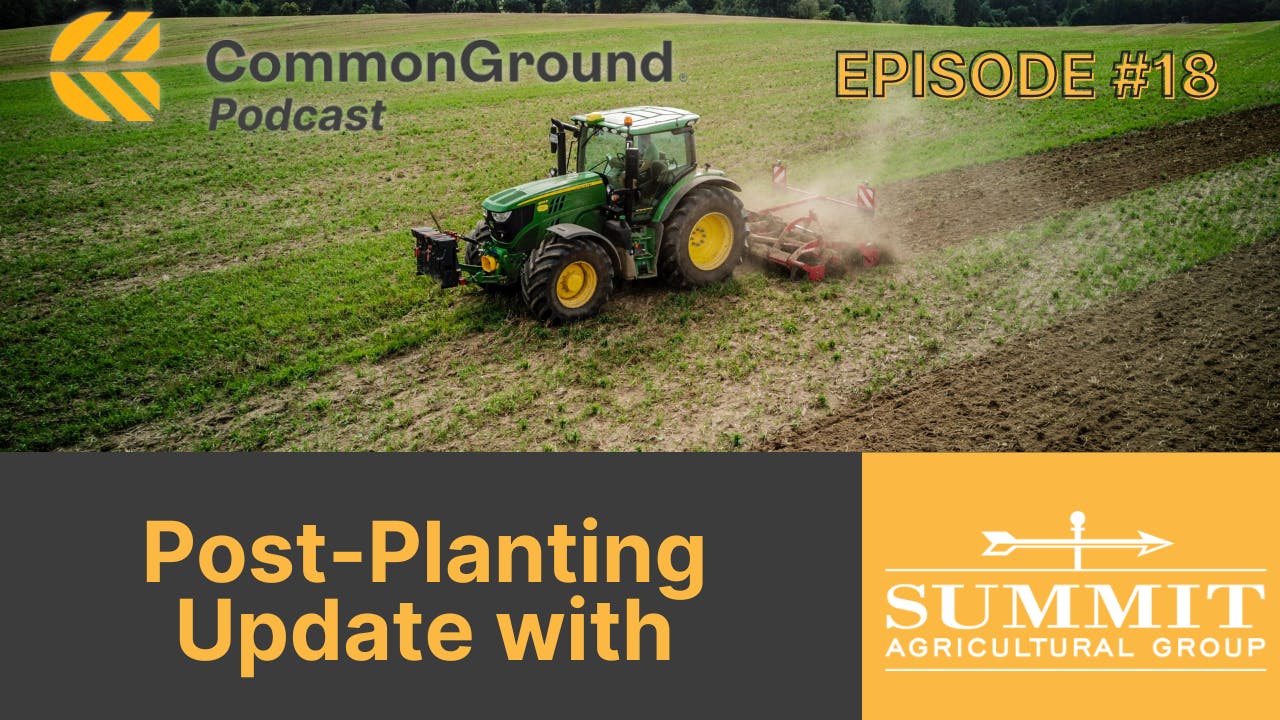
As we move into the heart of the growing season, it's important to take stock of the current landscape and look ahead to what may come. We got together with the guys at Summit Ag to dive into their Post-Planting Update and we wanted to break down the implications in the Midwest for you here.
Blog
Jun 24, 2024
Spring Showers Bring Relief After Dry 2023
After an extremely dry 2023, frequent rains from mid-April through mid-May were a welcome sight across the Midwest this spring. The abundant precipitation helped alleviate drought conditions and restore soil moisture levels to normal in most areas. However, the rains also delayed corn and soybean planting progress compared to last year's ideal conditions.
As of June 2nd, only 91% of the U.S. corn crop and 78% of the soybeans had been planted, behind the 5-year averages. While planting is nearly complete, some acres may go unplanted if conditions don't improve soon. Producers have preventive planting coverage through crop insurance to mitigate this risk.
Grain Markets Improve But Remain Below 2023 Highs
Current cash corn and soybean prices in Central Iowa are around $4.60/bu and $11.75/bu respectively. While still at historically strong levels, that marks a $2.40/bu drop for corn and $3.00/bu drop for soybeans compared to a year ago.
Prices have improved modestly since the February lows as commodity traders have unwound some short positions. However, higher projected ending stocks from increasing global production and improved crop genetics are keeping a lid on prices despite the planting delays.
Cash Rents Hold Steady After Recent Increases
The average 2024 cash rental rate in Iowa stayed at $279/acre, supported by higher farm incomes over the past two years. Since 2022, rental rates have increased 9% or $23/acre on average.
Looking ahead, rental rates may face downward pressure in 2025 if grain prices don't improve or yields can't offset the lower prices. Flexible cash rent leases are recommended to allow landowners to participate in potential upside.
Carbon Intensity Scoring Offers Income Opportunity
The GREET model from Argonne National Lab measures lifecycle carbon intensity and could be used to administer clean fuel tax credits from the Inflation Reduction Act. This creates an opportunity for corn and soybean producers to receive payments through ethanol plants by implementing practices like no-till, cover crops, and enhanced efficiency fertilizers.
Collaboration between ethanol plants and grain producers will be needed, as the plants receive the tax credits but rely on low-carbon feedstocks from farmers. Producers can determine their carbon intensity score now to prepare for potential future payments.
As the 2024 growing season progresses, farmers across the Midwest will need to navigate the impacts of planting delays, fluctuating markets, and emerging opportunities like carbon intensity scoring. While challenges remain, the return of more favorable moisture conditions provides hope for a rebound after last year's drought-stricken yields. By staying informed and proactive, producers can position themselves to capitalize on the upside potential, mitigate risks through tools like crop insurance and flexible rental agreements, and explore new income streams tied to sustainable practices. The resilience of the agricultural community will be tested, but the outlook remains cautiously optimistic.
For more details and updates, subscribe to the Summit Ag Newsletter.
Related Posts

Blog
Hunting Insurance - A Safety Net for the Outdoor Enthusiast
Hunters face various risks during their outdoor pursuits, including accidental injuries, property damage, or unintentional harm to others. CommonGround Insurance Group's hunting insurance provides essential coverage that goes beyond standard homeowners or general liability policies.
July 26, 2024

Blog
What Farmers and Landowners Should Look for in an Insurance Agent's Scorecard
Finding the right insurance agent can be challenging, but examining their scorecard – a comprehensive performance evaluation tool used by insurance companies – can help.
July 17, 2024

Blog
Becoming a Landowner's Favorite Hunter: Tips for Long-Term Access
As a hunter, building a positive relationship with the landowner is key to not only gaining access in the first place, but potentially securing a multi-year agreement. By being respectful, ethical and helpful, you can go a long way toward becoming that landowner's favorite hunter.
July 10, 2024
Land for Lease
Arkansas Land for LeaseCalifornia Land for LeaseIllinois Land for LeaseIndiana Land for LeaseIowa Land for LeaseKentucky Land for LeaseMinnesota Land for LeaseMississippi Land for LeaseLand for Sale
Illinois Land for SaleIndiana Land for SaleIowa Land for SaleKentucky Land for SaleMissouri Land for SaleOhio Land for SaleOklahoma Land for SaleLand Listings by Type
Tillable Land for LeaseHunting Land for LeasePasture Land for LeaseRanch Land for LeaseTillable Land for SaleHunting Land for SalePasture Land for SaleRanch Land for SaleTillable Land for Lease
Tillable Land for Lease in ArkansasTillable Land for Lease in CaliforniaTillable Land for Lease in IllinoisTillable Land for Lease in IndianaTillable Land for Lease in IowaTillable Land for Lease in KentuckyTillable Land for Leases in MinnesotaTillable Land for Lease in Mississippi